

Ukrainian Integrators and Developers Brave Economic Challenges Amidst Invasion
After the full-scale invasion began, business activity in Ukraine appeared to have halted. Around 50% of small and medium enterprises stopped operations in April 2022, while the remaining half continued to work despite the war’s daily challenges, supporting Ukraine’s economy.
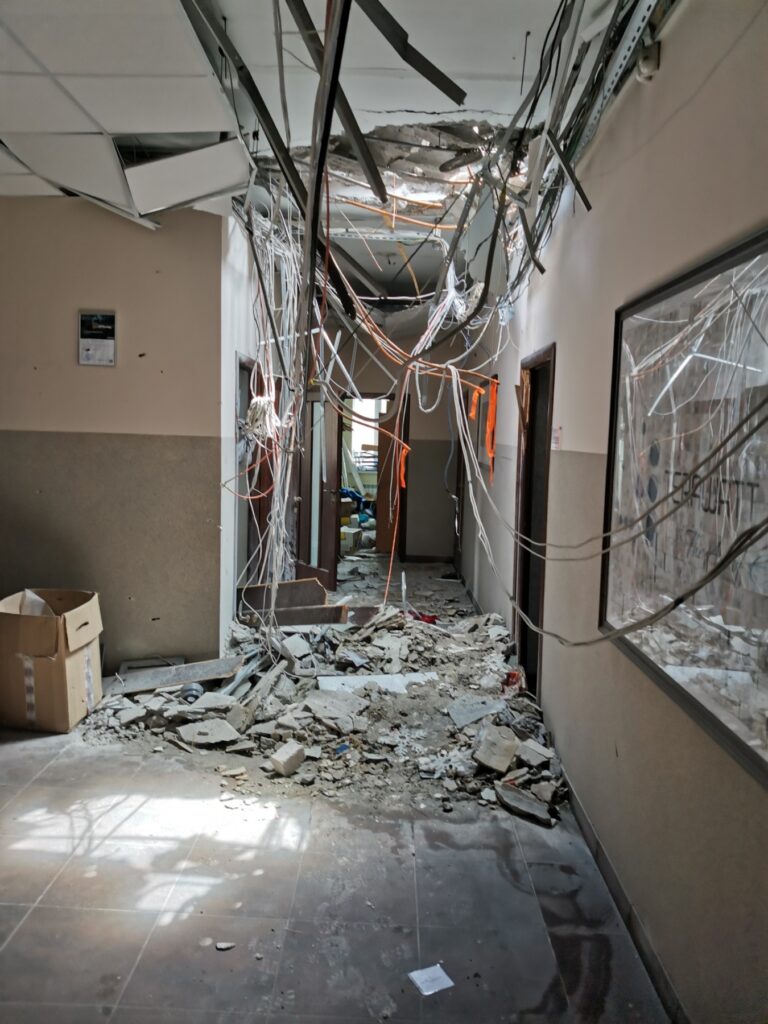
The initial phase was challenging, requiring companies to decide strategies and counter threats and uncertainty. Due to rocket attacks, some companies suffered physical damage, including the S-Engineering plant in Odesa and Kharkiv SAS production facilities. In contrast, TerraWatt group’s offices and production sites in occupied Mariupol were destroyed entirely.
As the situation stabilized in non-occupied areas, companies resumed projects and signed new contracts with domestic and foreign customers. Business optimization became a top priority, with companies like IT-Enterprise quickly transitioning to remote work and creating systems to aid the military. Maintaining teams of professionals was a priority, with some companies needing help paying salaries due to reduced order fulfillment times. Despite these challenges, many managers chose to pay total salaries to retain their teams.
Businesses prioritize paying all salaries, fulfilling financial obligations, and intensifying export efforts to sustain the Ukrainian economy. Some companies even hire new staff and operate training centers.
I have talked to many businessmen, and all were determined that I will do it as long as I can pay full salaries to all staff.
IVAN KUN, DIRECTOR OF INTERPROJECT GMBH
Companies with resources abroad establish foreign representative offices to facilitate interactions with foreign partners. However, companies complain about government export restrictions, particularly the ban on men’s travel abroad. As a result, some companies lost export orders, as they needed help to perform engineering projects remotely, and most of their staff were men. Remote work has also affected on-site customer work, with tasks that once took ten days now taking three months.
We are trying to do something remotely, develop software, and take part in commissioning, but it is nothing compared to how it was before the war. What we used to do on-site at the customer’s site for 10 days, now we do remotely for 3 months.
ANDRIY GUMENNYY, CHIEF ENGINEER OF SAS LTD
Companies have also diversified risks by working in small groups in different regions of Ukraine and abroad. Businesses have optimized costs through cloud technologies, remote work, and energy-independent offices. Companies have also countered emergency power outages with backup power systems. Higher education institutions and patronage have suffered from cost-cutting measures.
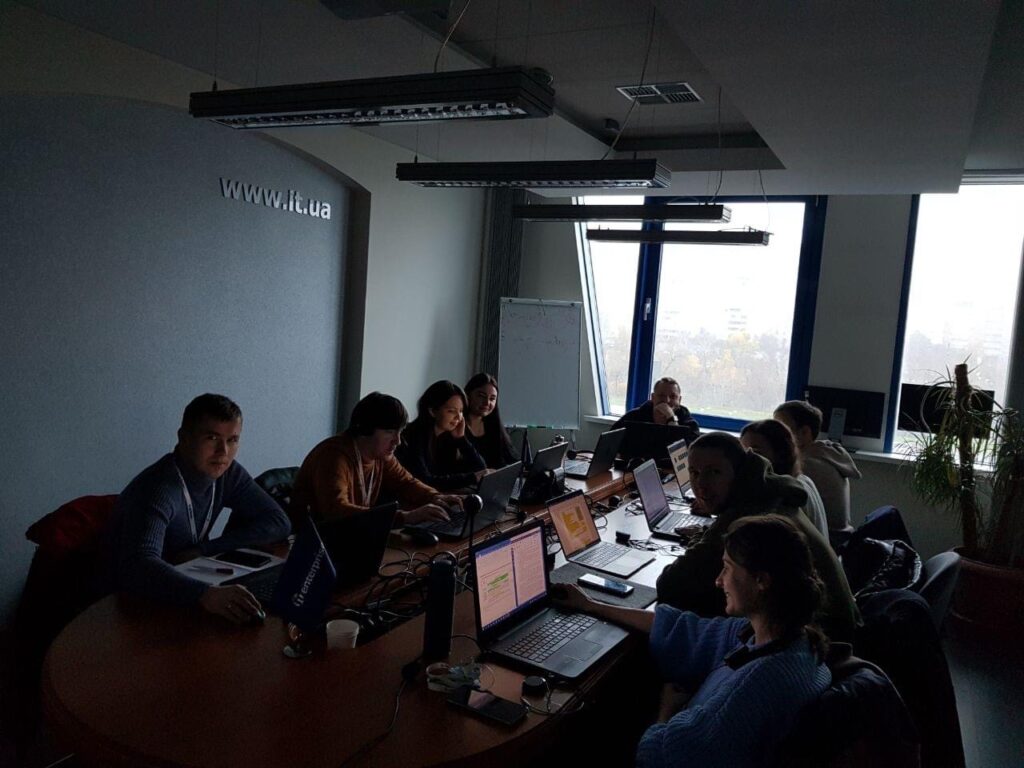
Companies in Ukraine are increasingly cooperating, both domestically and internationally, to address common problems and challenges. This unity is driven by the need to complement each other’s capabilities, search for orders, and survive together. Despite being competitors in the market, weak cooperation is preferred over confrontation, according to Eduard Trotsenko. The respondents also mentioned the growing trust and support among companies due to the general opposition to Russian aggression.
…we are more focused on the fact that Ukrainians need work. If we have orders and projects, we will be able to find ways to redirect funds to help Ukrainians.
MYKHAILO SOROKIN, CEO OF ENGINEERING COMPANY VOSTOK
In 2022, APPAU members united in joint initiatives such as creating a shared marketplace, entering foreign markets, and participating in foreign events. The association promotes consolidation and coordination between companies, and foreign partners have offered support through contracts rather than patronage.
Ukrainian integrators and developers continue to work and implement engineering projects despite difficulties. Many companies received grants for innovation through the EIF APPAU fundraising program, allowing them to keep their development teams and survive the difficult period. Work with customers, order fulfillment, and innovative development continued even during the war.
After the war, Ukraine will need to focus on recovery and rebuilding. The government plans to implement a large-scale ‘Marshall Plan’ with investments ranging from 100 to 400 billion euros. Ukrainian businesses are looking forward to this, but there must be changes in the state’s strategy for improving conditions for investment and trade in Ukraine. The country needs to address challenges in industry ecosystems, such as training systems, quality standards, and tools for innovative, digital, and green development. Many European companies are interested in cooperating with Ukrainian customers and partners. Companies are preparing for changes in various industries.
Over 200 Ukrainian developers and integrators offer a range of industrial high-tech solutions in energy, infrastructure, and logistics. Despite the effects of war and brain drain, they believe in new opportunities and growth prospects in the restoration period. S-Engineering offers automated process control and energy supply solutions, power supply systems up to 110 kV, and active control systems.
Read about Solidarity in times of war: APPAU and CSIA – joint struggle and support of the Ukrainian economy
Ukrainian developers seek R&D partners. Despite difficulties caused by the war, companies continue to work selflessly and humbly without emphasizing the challenges they face. They are focused on fulfilling their contractual obligations and showing they can control all aspects of their business. It is vital to the sustainability of the Ukrainian economy and a reliable rear for the Armed Forces.
Read more interviews about Ukrainian business: